
Midvora Logo Midvora
Serene representation of midlife physiological changes

Metabolic Changes After 50

Understanding the physiological shifts in energy metabolism and body composition in women during midlife

Educational content only. No promises of outcomes.

Overview of Metabolic Changes After 50

Resting energy expenditure (REE) demonstrates a general decline across the adult lifespan, with research indicating approximately 1–2% decrease per decade after age 20. This reduction becomes more pronounced in women after age 50, driven primarily by changes in body composition and hormonal dynamics during the menopausal transition.

The average woman experiences shifts in total energy expenditure due to multiple interconnected factors: loss of lean muscle tissue, redistribution of adipose tissue, alterations in spontaneous activity levels, and hormonal fluctuations. These changes are gradual and multifactorial rather than sudden metabolic collapse.

Understanding these physiological shifts provides context for why energy balance patterns change in midlife without requiring personalised dietary or exercise interventions.
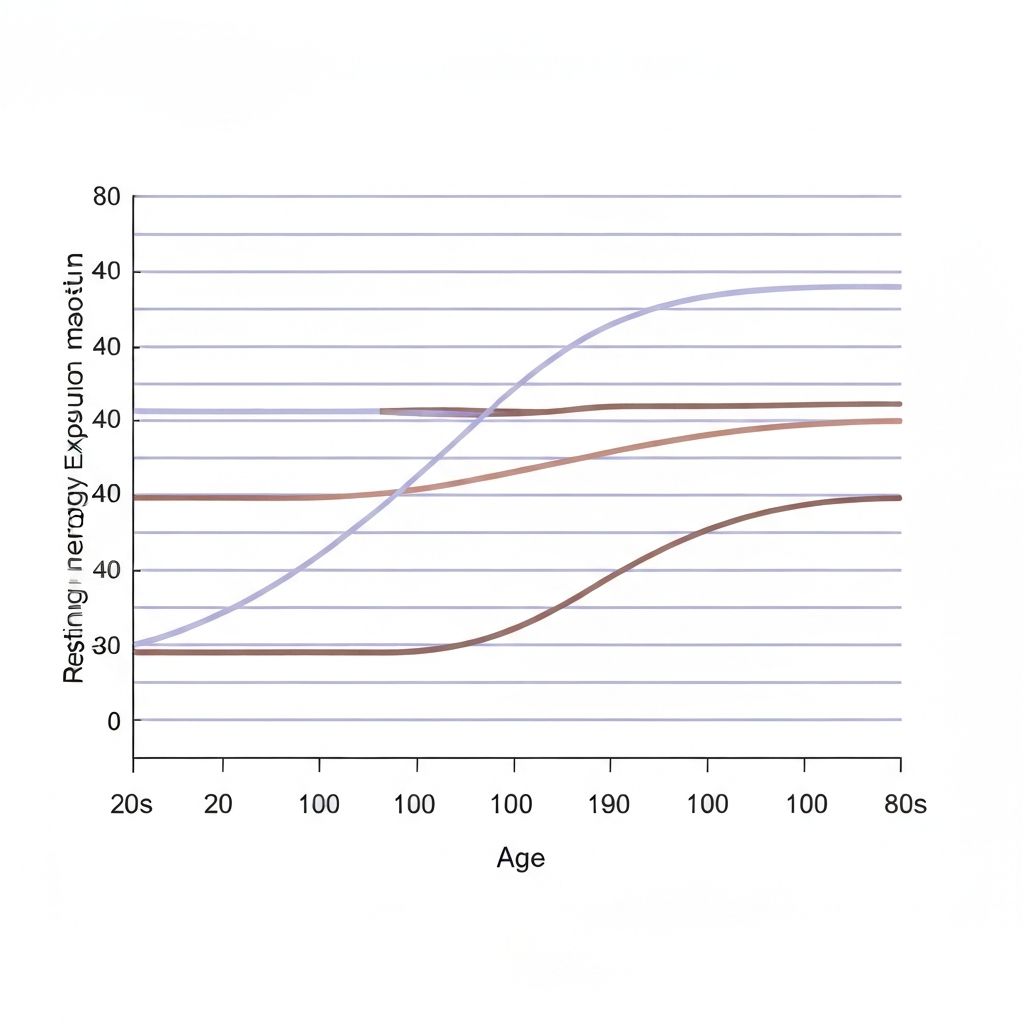
Diagram showing age-related metabolic changes

Sarcopenia and Muscle Mass Decline

Sarcopenia, the age-related loss of skeletal muscle mass and strength, is a primary driver of declining resting energy expenditure in women after 50. Research consistently demonstrates that lean tissue accounts for the majority of metabolic activity at rest; therefore, loss of muscle directly reduces REE.

Age Group (Women) Average Lean Mass Loss (%) Average REE Change Primary Contributing Factor
20–30 years ~0.5% per year (variable) Minimal decline Lifestyle, reproductive factors
40–50 years ~0.8% per year ~1–2% per decade Hormonal transitions, activity patterns
50+ years ~1.0–1.2% per year ~2–3% per decade (cumulative) Menopause, reduced physical activity, mitochondrial changes

Longitudinal studies show that women who maintain higher levels of physical activity and resistance training experience slower rates of muscle loss, though the age-related decline itself is universal. This underscores the multifactorial nature of metabolic change.

Menopausal Transition Effects

The menopausal transition spans several years, during which oestrogen production declines significantly. This hormonal shift has documented effects on body composition, insulin sensitivity, and energy balance perception.

Oestrogen decline contributes to a relative shift in adipose tissue distribution—specifically, increased deposition of visceral fat and reduced subcutaneous fat accumulation. Visceral adipose tissue is metabolically active and associated with different inflammatory and endocrine profiles than subcutaneous fat.

Additionally, post-menopausal women experience relative increases in androgens and altered ratios of other hormones, which influence nutrient partitioning and fat distribution patterns. These changes are not uniform across all women and are influenced by genetic predisposition, lifestyle, and overall metabolic health.

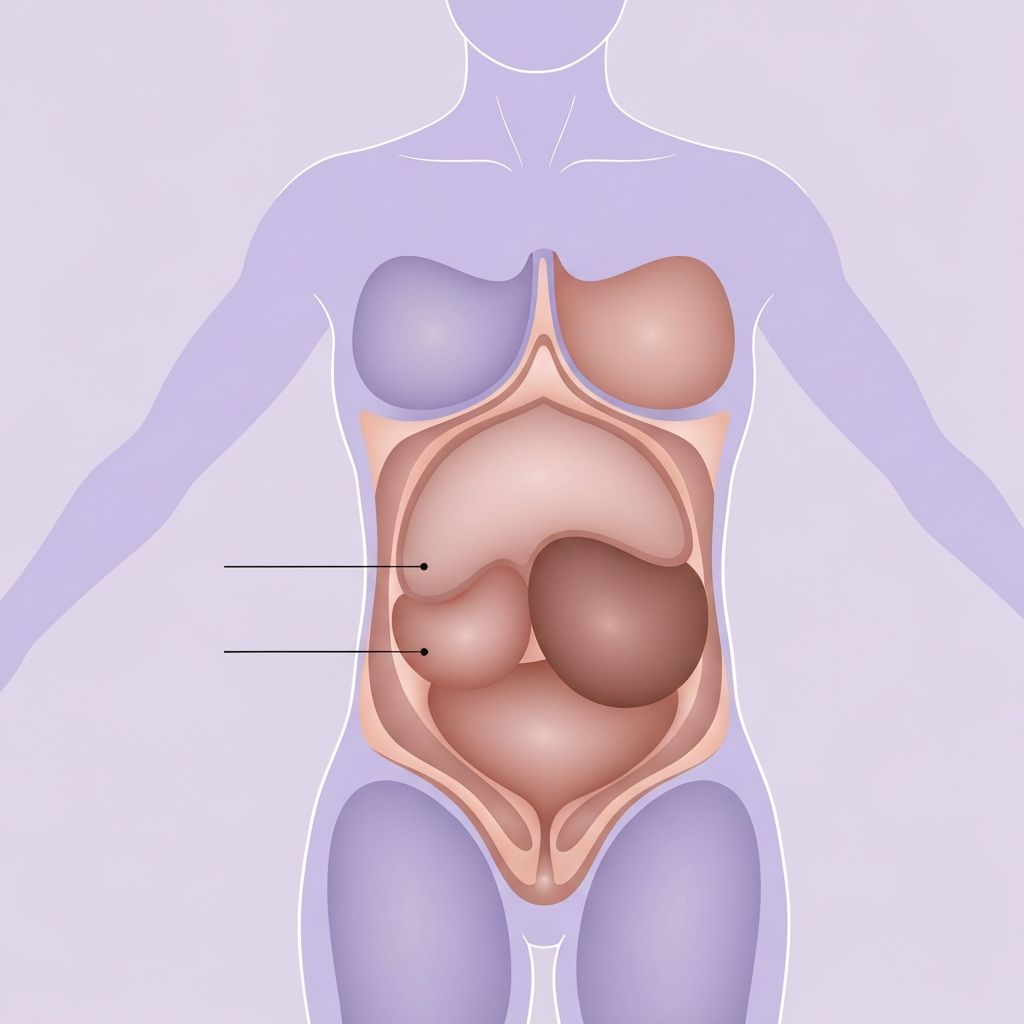
Visual representation of menopausal transition physiology

Insulin Sensitivity Alterations

Research demonstrates that glucose handling changes notably in the post-menopausal period. Women experience a modest decline in insulin sensitivity—meaning cells require more insulin to achieve the same glucose uptake—particularly in muscle and adipose tissue.

This shift is attributed to multiple mechanisms: loss of lean mass (which is highly insulin-sensitive), hormonal changes reducing oestrogen's protective effects on glucose metabolism, altered mitochondrial function, and changes in physical activity patterns.

The clinical significance is that fasting glucose levels and post-prandial (after-meal) glucose responses may change, though the magnitude varies considerably among individuals. This underlies some observations about shifts in energy balance and body weight patterns in midlife, though it is not a universal or deterministic factor.

NEAT Reduction in Midlife

Non-exercise activity thermogenesis (NEAT)—the energy expended during daily living activities such as occupational tasks, fidgeting, and spontaneous movement—accounts for a substantial proportion of total daily energy expenditure, often 15–30% depending on lifestyle.

Observational data suggest that NEAT declines in midlife due to various life factors: career stage stability reducing occupational movement variability, changes in recreational activity patterns, age-related reductions in spontaneous fidgeting, and sometimes increased sedentary behaviours. Unlike exercise-based activity thermogenesis, NEAT is largely unconscious and behavioural.

This reduction in total daily energy expenditure from lowered NEAT can contribute meaningfully to the energy balance shift observed in women after 50, independent of basal metabolic changes.

Woman engaged in everyday activity
Abstract representation of energy conservation mechanisms

Adaptive Thermogenesis in Ageing

Adaptive thermogenesis refers to the energy cost of maintaining metabolic homeostasis during metabolic stress or energy restriction. This component of energy expenditure can change with age and sustained energy deficit.

Some research suggests that with prolonged energy restriction, metabolic adaptation—a reduction in energy expenditure beyond what would be predicted by body composition changes alone—may occur to a greater extent in older adults. This adaptive response is a normal physiological mechanism to preserve energy reserves, not a pathological "broken metabolism."

Understanding this mechanism contextualises observations about plateaus in energy balance during sustained caloric restriction and highlights the body's inherent regulatory responses to metabolic challenges.

Research Findings on Body Fat Distribution

Longitudinal research reveals consistent patterns of visceral fat accumulation in women during the menopausal transition, even when total body weight remains stable. Visceral adipose tissue—fat deposited around abdominal organs—has distinct metabolic properties compared to subcutaneous fat (fat beneath the skin).

Visceral fat is associated with greater inflammatory cytokine production, altered insulin signalling, and differences in hormonal secretion. This redistribution toward visceral compartments is observed across diverse ethnic groups and body mass index categories, though the magnitude varies.

Simultaneously, subcutaneous fat in the legs and arms may decrease, creating a net shift in fat distribution pattern. This redistribution occurs against a backdrop of total body composition changes driven by muscle loss and modest shifts in total body weight or fat mass.

Links to In-Depth Midlife Metabolism Articles

Explore detailed scientific explanations of specific physiological changes in midlife metabolism. Each article examines evidence from peer-reviewed research and contextualises the mechanisms driving energy balance shifts in women after 50.

Muscle mass decline study visualization

Sarcopenia and Resting Energy Expenditure After 50

Examine muscle mass decline data and mechanisms of age-related loss of lean tissue.

Read the detailed explanation
Hormonal changes visualization

Menopausal Oestrogen Decline and Fat Distribution

Understand adipose tissue changes and hormonal influences on body composition.

Read the detailed explanation
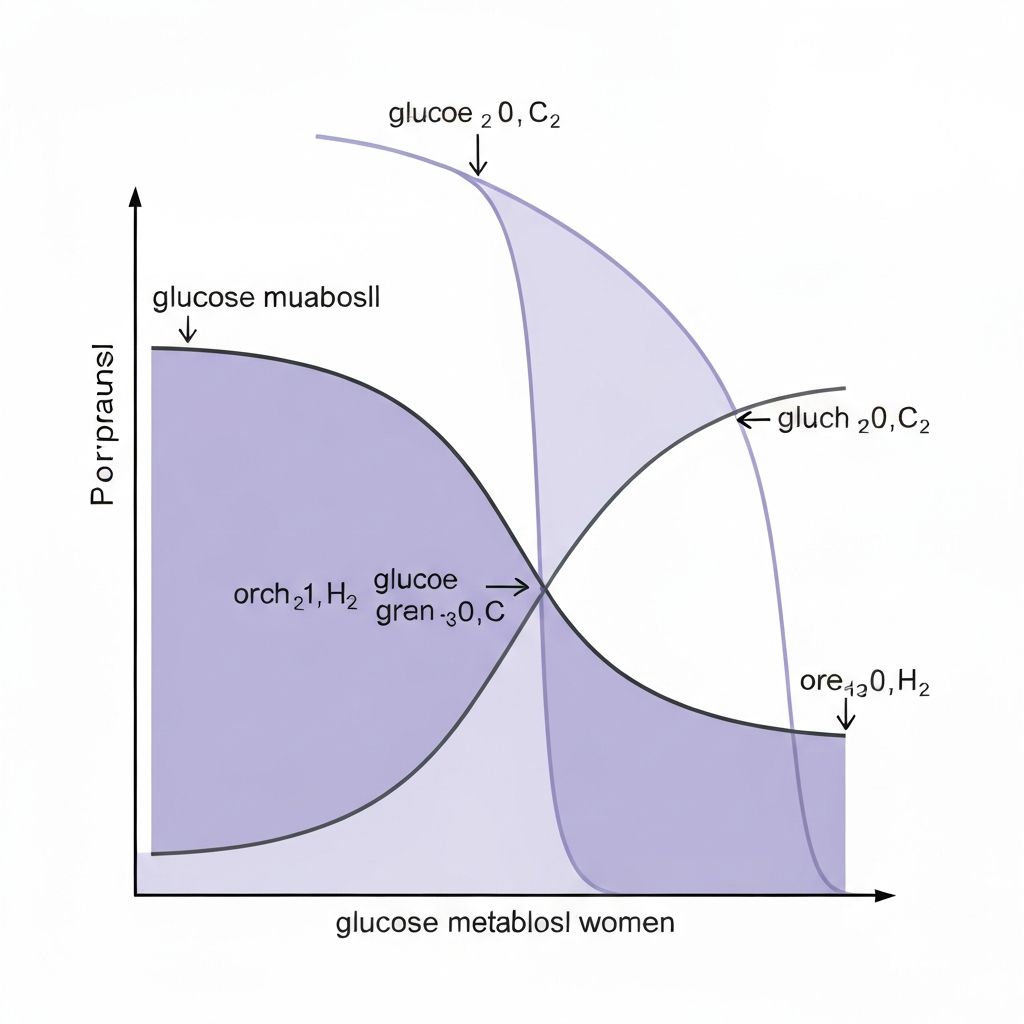
Glucose metabolism diagram

Insulin Sensitivity in Post-Menopausal Women

Explore glucose metabolism studies and insulin handling in midlife.

Read the detailed explanation
Daily activity representation

NEAT and Daily Energy Expenditure in Midlife

Review spontaneous activity observations and energy expenditure patterns.

Read the detailed explanation
Body composition changes

Adaptive Thermogenesis During Ageing

Learn about energy conservation mechanisms and metabolic adaptation.

Read the detailed explanation
Longitudinal research data

Longitudinal Changes in Body Composition After 50

Review cohort study summaries and long-term metabolic observations.

Read the detailed explanation

Frequently Asked Questions

Why does metabolism slow down after age 50?

Metabolism does not universally "slow down" but rather shifts due to multiple factors: loss of lean muscle tissue (which requires more energy to maintain), hormonal changes during menopause, and often reduced physical activity levels. The decline in resting energy expenditure is gradual—approximately 1–2% per decade—and primarily reflects body composition changes rather than a fundamental alteration in cellular metabolism.

Is menopause directly responsible for weight gain?

Menopause contributes to body composition changes—particularly fat redistribution and increased visceral fat—but is not the sole cause of weight gain. The menopausal transition coincides with life stage factors (reduced activity, career demands) and cumulative effects of sarcopenia. Individual responses vary considerably, and many women maintain stable weight through midlife despite hormonal changes.

Does loss of muscle tissue inevitably occur after 50?

Age-related muscle loss (sarcopenia) is a universal biological process, but its magnitude is modifiable. Resistance training, adequate protein intake, and consistent physical activity substantially slow the rate of lean mass decline. Research shows considerable variability—some women lose 0.5% annually while others lose 1.5%—reflecting lifestyle and genetic influences.

What is visceral fat and why does it increase?

Visceral fat is stored around abdominal organs and has distinct metabolic properties from subcutaneous fat. Its increase in midlife is linked to hormonal changes (particularly oestrogen decline), genetic predisposition, physical inactivity, and age-related shifts in fat distribution. It is metabolically active and associated with different inflammatory markers than subcutaneous fat.

Can metabolic rate be "boosted" after 50?

Resting metabolic rate is largely determined by body composition and cannot be fundamentally "boosted" beyond individual physiological capacity. However, maintaining or building lean muscle mass through resistance training is the most evidence-based approach to supporting metabolic health and energy balance in midlife.

Is this information evidence-based?

Yes. All claims in this resource are grounded in peer-reviewed longitudinal studies, meta-analyses, and physiological research. We distinguish between universal biological processes and individual variability, and avoid claims about rapid or guaranteed outcomes.

Explore the Physiological Aspects of Midlife Energy Balance

This educational resource explains the evidence-based science behind metabolic and body composition changes in women after 50. Our articles provide detailed explorations of each physiological mechanism without prescriptive guidance or commercial intent.

Continue to related metabolic topics